
Modes and mechanisms of transmission of pathogens organisms in the healthcare setting and strategies for prevention and control.
The transmission of infections in healthcare settings is largely preventable. The concept of the chain of infection provides the basis for understanding the transmission of pathogens as well as identifying practices and procedures to prevent HAIs.
The Chain of Infection
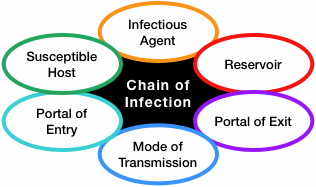
We have all seen infections spread through a family, classroom, or office; this situation can be described using a concept called the chain of infection (see figure below). It is a process that begins when (1) an infectious agent or pathogen (2) leaves its reservoir, source, or host through (3) a portal of exit, (4) is conveyed by some mode of transmission, (5) enters the host through an appropriate portal of entry, and (6) infects a susceptible host. The now-infected susceptible host becomes a new reservoir and the whole process starts over.
The concept of a chain of infection is essential for understanding why we do what we do to prevent infection. Breaking any link of the chain of infection can prevent the spread of infection.
2.2 Infectious Agents (Pathogens)
Infectious agents are the microorganisms or “germs”—bacteria, viruses, fungi, and protozoa—that can cause disease or illness in their hosts. The word pathogens is derived from the Greek, meaning “that which produces suffering.” Although microorganisms are common in the environment, most are not harmful to people.
Pathogens vary in infectivity and virulence. To cause disease an infectious dose —a sufficient number of organisms—is required. Creating an environment with no pathogens is not a realistic goal outside of highly specialized laboratories.
2.2.1 Bacteria
Bacteria are single-celled organisms, the vast majority of which are harmless or even beneficial. Our bodies contain bacteria, called normal flora, that protect us from infection by providing competition to pathogens.
Normal flora usually do not cause disease unless their balance is disturbed or the bacteria get into a part of the body that cannot tolerate them. Antibiotics are effective against many bacterial infections although the overuse or misuse of antibiotics has produced resistant strains of bacteria.
Pathogenic bacteria contribute to several globally prevalent diseases, including pneumonia, tuberculosis, and bacterial meningitis. Pathogenic bacteria include group A and group B streptococcus, Haemophilus influenzae, Staphylococcus aureus, methicillin-resistant staph aureus (MRSA), Clostridium difficile, Neisseria meningitidis, and Streptococcus pneumoniae.


Left: A coccus is a bacterium with a spherical shape. Chains of cocci indicate streptococcus, while clusters indicate staphylococcus. Right: Bacillus can refer to any rod- shaped bacterium, or can be more specific to Bacillus, which is a gram-positive and rod-shaped genus. Source: Illustration by 3DScience.com, used with permission.
2.2.2 Viruses
Viruses are true parasites in that they can only reproduce inside the host cell. More than 5000 types of viruses have been described since the first was discovered in 1899. Viruses are about a hundred times smaller than bacteria, and like bacteria, not all viruses cause disease.
Viruses spread in many ways—by direct or indirect contact (soiled hands or articles), by droplets from coughing and sneezing, by contact with blood, by sexual contact, by fecal contamination, by contaminated food and water, or via certain insects. Examples of diseases caused by viruses include influenza, chickenpox, West Nile fever, and HIV.
Antibiotics are not effective against viruses. Vaccines, however, have been successful in eliminating or controlling some viral disease—including smallpox, polio, measles, mumps, and rubella—that have killed millions of people throughout the world. Anti-viral medications for some illnesses have varying degrees of effectiveness.
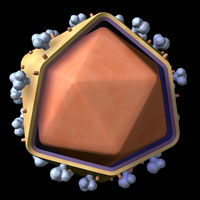
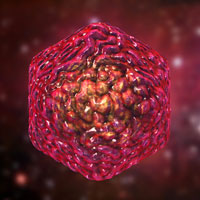
Left: HIV is a retrovirus, here showing protein arms, whose genetic content is stored in RNA, which is copied into the DNA of the host upon infection. Right: This image of the West Nile Virus shows its characteristic rough and furrowed surface with no protein arms projecting from it. Source: Illustration by 3DScience.com. Used with permission.
2.2.3 Fungi
Fungi are very common and only a few cause diseases in humans. Some fungal infections are life-threatening in certain susceptible patients. Fungal infections can be superficial (limited to the surface of the skin and hair), cutaneous (extending into the epidermis, nails, and hair), or subcutaneous (extending into the dermis, underlying tissues, muscle, and fascia). Fungal infections can also be systemic, often originating in the lungs and spreading to multiple organs.
There are several classes of antifungal medications, although fungal and human cells are similar on the molecular level, so antifungal drugs can have mild to serious side effects. Athlete’s foot, yeast infections, and candidemia (yeast growing in the blood) are examples of diseases caused by fungi.
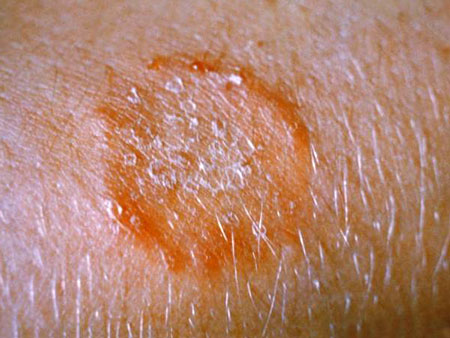
An example of a fungal infection called ringworm (no worm is involved). Source: CDC.
One fungus that survives exceptionally well in the air, dust, and moisture of healthcare facilities is Aspergillus spp., a common, aerobic fungus found in soil, water, and decaying vegetation (Corrêa-Junior et al., 2026). The incidence of invasive aspergillosis in hospitalized patients continues to rise, with a significant spike observed in 2020 and 2021 due to the emergence of COVID-19-associated pulmonary aspergillosis (CAPA) (Bustamante, 2026).
Site renovation and construction can disturb Aspergillus-contaminated dust, producing bursts of airborne fungal spores associated with clusters of healthcare-associated infections in immunocompromised patients. Absorbent building materials, such as wallboard and certain biodegradable polymers, provide ideal growth media if they remain wet (Samoilenko et al., 2025). Patient-care items and medical devices can also become contaminated with spores, acting as persistent sources of infection.
Other opportunistic fungi increasingly linked with HAIs include:
- Order Mucorales (pin molds): found in water-damaged wood and building materials, these fungi have seen increased prevalence in critically ill patients, particularly secondary to viral infections (Branda et al., 2025).
- Fusarium and penicillium: molds that can proliferate in moist environments and, in the case of fusarium, can become airborne or survive on inanimate surfaces (Branda et al., 2025).
- Pseudoallescheria: like Aspergillus, can be airborne and poses a threat during environmental disturbances.
As with aspergillosis, the primary risk factor for disease caused by any of these pathogens is the host’s severe immunosuppression, whether from underlying disease, intensive care treatments, or immunosuppressive therapy (Jenks and Tobin, 2026, February).
2.3.4 Protozoa
Protozoa are single- or multi-celled microorganisms that are larger than bacteria. They have traditionally been classified by their means of propulsion: flagella, amoeboid, sporozoan, or ciliate. They may be transmitted in soil, via water, by direct contact, or by an insect such as a mosquito. Examples of diseases caused by protozoa include malaria and giardia. Malaria is a protozoan that lives in the blood of the host and is transmitted when an insect bites, ingests infected blood, and then transmits it by biting a new host. Protozoa are less common than the other types of organisms in the United States and can be treated with specific medication.


These images depict a type of protozoa called Giardia trophozoites in a variety of positions. Giardia stick closely to the lining of the small intestine in the hosts they infect and cause mild to severe diarrhea. Source: Illustration by 3DScience.com. Used with permission.
2.3.5 Parasites
Parasites are usually larger organisms that exploit a host by living on the skin, inside the gut, or in tissues. The life of a parasite is precarious because the host usually does everything it can to destroy the parasite.
Parasites are dependent upon the host for survival and employ several strategies to move from host to host. They can be transmitted by direct contact, as with lice or scabies, or wait in the external environment until there is contact with the host (ticks, leeches).
Helminthes are a class of parasites that live inside the body and include roundworms, tapeworms, and flukes. They infect humans principally through ingestion of fertilized eggs or when the larvae penetrate the skin or mucous membranes.
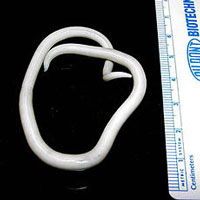
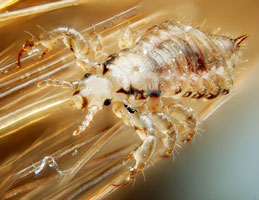
Left: The parasitic roundworm Ascaris lumbricoides. As many as one-quarter of the world’s population is infected with Ascaris. Source: Wikipedia. Right: Pediculus humanus var. capitis, also known as head louse. Source: Wikipedia.
2.4 Reservoirs
A reservoir is defined as one or more epidemiologically connected populations or environments in which a pathogen can be permanently maintained and from which infection is transmitted to a defined target population (Wang et al., 2021). Reservoirs are the places where the germs live and grow. A general rule: If an area stays wet, it is probably a reservoir.
The most common reservoirs in healthcare facilities are people, who may be either sick or healthy. These human reservoirs include patients, healthcare personnel, visitors, and household members.
Individuals within these groups may act as sources while experiencing active infections, during asymptomatic or incubation periods, or while transiently or chronically colonized with pathogenic microorganisms—most notably within the respiratory and gastrointestinal tracts. The frequent presence of family members in hospital wards is a significant factor in maintaining these reservoirs (Alinasab, et al., 2025).
The complexity of identifying reservoirs is a significant challenge and specific sources often remain elusive. Public health actions are frequently taken when there is scientific consensus on a reservoir's location. Historical examples include the large-scale slaughter of livestock to control outbreaks like the Nipah virus or bovine spongiform encephalopathy.
For many deadly viruses, the identity of the natural reservoir is still being unraveled. For example, while fruit bats have long been suspected as reservoirs for Ebola and Marburg viruses, recent evidence points to insectivorous microbats, such as the Angolan free-tailed bat, as a highly probable natural reservoir (Bokelmann et al., 2021).
Human survivors can act as potential long-term reservoirs. For instance, the Ebola virus can persist in “immunologically privileged” sites such as the brain, eyes, and testes, occasionally reactivating years later to initiate new outbreaks. An incomplete understanding of these complex maintenance cycles continues to hamper the control of persistent diseases like Ebola and rabies in regions across Africa (Asare Fenteng et al., 2023).
In humans, the reservoir and the susceptible host can be the same person and can cause disease if the person’s normal flora gets into the wrong part of the body. For example, oral flora getting into the lungs can cause aspiration pneumonia, skin flora contaminating an IV site can cause a site or bloodstream infection, and fecal flora contaminating the urinary tract can cause a urinary tract infection. This is why care must be taken to avoid carrying germs between different body sites of the same patient. The most effective prevention technique is to change gloves and do hand hygiene when going from a contaminated area to a cleaner area.
In healthcare facilities, activities aimed at eliminating reservoirs include:
- Treating people who are ill.
- Handling and disposing of body fluids carefully.
- Using sterile water in respiratory equipment.
- Drying equipment before storing it.
- Handling food safely and cooking meat thoroughly.
- Monitoring soil and contaminated water in sensitive areas of the hospital and washing hands carefully after contact with either.
- Vaccinating people.
- Encouraging ill workers to stay home.
In acute care, a patient’s risk for an HAI is related not only to the severity of illness and exposure to invasive interventions and devices but also to environmental risks, including exposure to other patients and inanimate reservoirs or pathogens. In home care, the rationale and strategy for use of precautions differ from those applied in hospitals. In most cases, the use of gowns, gloves, and masks in the care of homebound patients is recommended to protect the healthcare provider, not the client.
Caregivers in the home environment may require respiratory protection primarily when caring for clients with infectious respiratory pathogens, such as pulmonary tuberculosis. Although the home setting differs from acute care, it is recommended that healthcare personnel use an N95 mask during high-risk interactions with clients.
Home care clients known to be colonized or infected with multidrug-resistant organisms (MDROs) should be managed using appropriate barrier precautions. Although these organisms may not pose a significant health risk to healthy healthcare workers, they are easily transmitted to other vulnerable home care clients via contaminated hands or inanimate objects.
To minimize the risk of cross-contamination, the following protocols are recommended:
- Reusable items such as stethoscopes and blood pressure cuffs should remain in the client’s home whenever possible.
- If practical, clients with MDROs should be seen as the last appointment of the day. When this is not feasible, visits must be scheduled to ensure that “at-risk” clients are seen before visiting a person with a known MDRO.
- Strict adherence to hand hygiene before and after client contact remains the single most effective measure in preventing the spread of MDROs in home health settings.
2.5 Portals of Exit: How Pathogens Leave the Body
A pathogen leaves its reservoir or host through a portal of exit, which typically corresponds to the anatomical site where the pathogen is localized (Edemekong and Huang, 2022). This exit point is a critical link in the chain of infection, as it dictates the subsequent mode of transmission to a new susceptible host.
For example, respiratory pathogens such as SARS-CoV-2, influenza viruses, and M. tuberculosis primarily exit through the respiratory tract via aerosolized droplets or fine particulate matter generated during coughing, sneezing, or even speaking. Enteric pathogens, including Vibrio cholerae and norovirus, exit the host via feces, often leading to fecal-oral transmission cycles in environments with poor sanitation. Ectoparasites like Sarcoptes scabiei (scabies) exit through direct shedding from infested skin lesions (CDC, 2024 January 12).
Specific exit routes for bloodborne and systemic pathogens include:
- Vertical transmission: certain pathogens cross the placental barrier from mother to fetus; these include Zika virus, syphilis, and toxoplasmosis (Edemekong and Huang, 2022).
- Percutaneous and skin breaks: bloodborne viruses like hepatitis B, hepatitis C, and HIV exit through cuts in the skin, shared needles, or contaminated medical equipment.
- Vector-borne exit: Pathogens such as the malaria or dengue virus exit the human reservoir when a blood-sucking insect ingests a blood meal from an infected individual.
The portal of exit is the link of the chain over which we have the least control. Any break in the skin—such as natural anatomic openings or draining lesions—may be a portal of exit from a host. Any body fluid may carry infectious agents out of the body. Some bacteria (such as MRSA) live on the patient’s skin, so even dry skin contact may serve as the portal of exit.
Activities aimed at eliminating portals of exit in healthcare facilities include:
- covering coughs and sneezes with a tissue
- handling body fluids with gloves—followed by hand hygiene
- keeping draining wounds covered with a dressing
- staying home from work when you have wet lesions or weeping dermatitis
2.6 Means of Transmission
Did You Know. . .
Very few germs can fly—almost all must be carried from one place to another. The means of transmission is the weakest link in the chain of infection, and it is the only link we can hope to eliminate entirely. Most infection control efforts are aimed at preventing the transport of germs from the reservoir to the susceptible host.
Direct and indirect contact are the most common means of transmission in the healthcare setting, often from the hands of caregivers and items that move patient to patient. Standard, contact, droplet, and airborne precautions are designed to interrupt the means of transmission. Because it addresses the weakest link in the chain of transmission, hand hygiene is still the single most important procedure for preventing the spread of infection.
2.6.1 Direct Transmission
Person-to-person transmission of pathogens through touching, biting, kissing, or sexual intercourse.
2.6.2 Indirect Transmission
An agent or pathogen can be indirectly transmitted from a reservoir to a susceptible host by inanimate objects or a contaminated environment. Cleaning and disinfection are critical practices to ensure that medical equipment surfaces do not serve as means of transmission for multidrug-resistant microorganisms and other infectious pathogens (Santamaría-García et al., 2026).
Hands of healthcare personnel may transmit pathogens after touching an infected or colonized body site on a patient or a contaminated inanimate object if hand hygiene is not performed before touching another patient. Strict adherence to hand hygiene and the use of personal protective equipment are essential strategies for minimizing the transmission of highly infectious diseases (Imanipour and Kamali, 2026).
Patient-care devices—including electronic thermometers, glucose monitoring devices, stethoscopes, and blood-pressure cuffs—can transmit pathogens if they are contaminated with blood or bodily fluids or are shared between patients without cleaning and disinfecting.
Certain pathogens can remain infectious on nonporous surfaces for several weeks or longer. Recent advances have explored nanotechnology-enabled antimicrobial coatings for medical devices, such as catheters and surgical sutures, to inhibit the colonization of antibiotic-resistant bacteria like Staphylococcus aureus and Pseudomonas aeruginosa (Paladini, et al., 2025).
Shared toys can be a vehicle for transmitting respiratory viruses or pathogenic bacteria among pediatric patients. Toys used by young children should be washable and should be washed and dried routinely. Children should be encouraged to wash hands before and after using shared toys or equipment.
Instruments that are inadequately cleaned between patients before disinfection or sterilization, or that have manufacturing defects interfering with reprocessing, can transmit bacterial and viral pathogens. For instance, non-sterile medical or surgical equipment can lead to infections from resistant organisms such as Mycobacterium abscessus (To et al., 2020).
Clothing, uniforms, laboratory coats, or isolation gowns used as PPE can also become contaminated with potential pathogens after the care of a patient colonized or infected with an infectious agent (Imanipour and Kamali, 2026).
2.6.3 Airborne Transmission
Transmission of germs can occur through the air via droplet or airborne routes. Droplet transmission is common, easily spreading infections such as colds, influenza, whooping cough (pertussis), and some forms of meningitis.
Droplets are produced when the infected person coughs, sneezes, or speaks. They can travel about 3 to 6 feet before drying out or falling to the ground. Droplet precautions are designed to interrupt this means of transmission, and respiratory hygiene practices should be used when caring for any person with active respiratory symptoms.
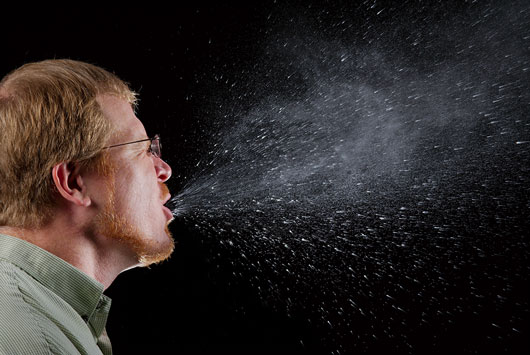
This photograph captures a sneeze in progress, revealing the plume of salivary droplets as they are expelled in a large cone- shaped array from this man’s open mouth, thereby dramatically illustrating the reason for covering your mouth when coughing or sneezing in order to protect others from germ exposure. Source: CDC.
Airborne transmission occurs with only a few infections—those caused by organisms that can survive the drying of respiratory droplets. When the droplets evaporate, they leave behind droplet nuclei, which are so tiny they remain suspended in the air. Diseases transmitted by the airborne route include tuberculosis, chickenpox, measles, severe acute respiratory syndrome (SARS), COVID, and smallpox. Airborne Precautions are designed to interrupt this means of transmission.
Means of transmission that are not common in hospitals include:
- Food, water, milk, or IV fluid. These products are obtained only from safe and approved sources to prevent contamination.
- Vector-borne transmission by an animal carrier such as a rat or mosquito that carries the pathogen from reservoir to host. Hospitals maintain their environment so that vector-borne transmission is not likely to occur.
Activities aimed at eliminating the means of transmission in healthcare facilities include:
- hand hygiene
- wearing gloves
- practicing standard, contact, droplet and airborne precautions
- cleaning, disinfection, or sterilization of equipment used by more than one patient
- cleaning of the environment, especially high-touch surfaces
- maintaining directional air flow
2.7 Portals of Entry: How Pathogens Are Introduced
The portal of entry refers to the location through which a pathogen enters a susceptible host. A portal of entry must provide access to tissues in which the pathogen can multiply, or a toxin can act. Often, the infectious agent uses the same portal to enter the new host that it used to exit the source host. For example, influenza virus exits the respiratory tract of the source host and enters the respiratory tract of the new host.
Some pathogens follow a so-called “fecal-oral route” because they exit the source host in feces, are carried on inadequately washed hands to a vehicle such as food, water, or utensils, and enter a new host through the mouth. Other portals of entry include skin, mucous membranes, and blood.
Pathogens cannot cause illness until they enter the body, and, in general cannot enter through intact skin. They may gain entry through an anatomic opening, a skin break caused by illness or accident, or an opening created during a medical procedure, such as a surgical wound or an IV site. Preventing or eliminating portals of entry, where possible, and protecting portals that cannot be eliminated is a must for both patients and healthcare personnel.
Examples of portals of entry include:
- mouth, nose, eyes, and other anatomic openings
- rash or dermatitis
- insect bites
- injuries, from microscopic to major
- surgical wounds
- intravenous sites
- any location, whether anatomic or created, with a tube in place
- needle-puncture injuries
Activities aimed at protecting or eliminating portals of entry in healthcare facilities include:
- use of aseptic surgical technique
- application of dressings on surgical wounds
- use of iv site dressings and proper care
- elimination of tubes as soon as possible
- use of masks, goggles, and face shields
- protecting your skin to prevent openings (such as dermatitis)
- keeping unwashed hands and objects away from the mouth
- use of actions and devices to prevent needle sticks
2.8 Susceptible Host
The final link in the chain of infection is the susceptible host. Most of the factors that influence infection, and the occurrence and severity of disease are related to the host, although agent and environmental factors also play a role (see table below). However, characteristics of the host-agent interaction—such as pathogenicity, virulence, and antigenicity—are important. The infectious dose, mechanism of disease production, and route of exposure are also factors.
Factors That Influence the Outcome of an Exposure |
|
|---|---|
Host Factors |
|
Agent Factors |
|
Environmental Factors |
|
Some people exposed to pathogenic microorganisms never develop symptomatic disease while others become severely ill and even die. Those who are extremely old or young, are already ill, have holes in their skin, have invasive devices in place, or are immunocompromised are most susceptible. Still others progress from colonization to symptomatic disease either immediately following exposure or after a period of asymptomatic colonization.
For some diseases there are effective vaccines, and some diseases produce lasting immunity after illness. We have better resistance to disease when we are well rested, well fed, and relatively stress-free. People with healthy immune systems are often able to resist infection even when bacteria do invade.
The healthy body has numerous protective structures and systems that support resistance to infection. These include intact skin, blood circulation bringing white blood cells and nutrients to the tissues, antibodies to previously encountered infectious agents, the inflammatory response, stomach acid, and a robust community of normal flora, which provides competition to invading pathogens. A person with these defense mechanisms intact is said to be immunocompetent.
Immune compromise varies in severity and can be temporary or long term. A person who is sick in bed for a few days may be mildly compromised, while a person with a chronic illness such as diabetes is probably moderately and chronically compromised. Someone receiving chemotherapy or a transplant patient may be severely immunocompromised.
Extra care should be taken to protect a person who is immunocompromised. Nutritional status should be closely monitored to support immune competence. Both the very young and very old need extra protection from infection. Any indwelling device increases susceptibility. To reduce the risk of infections associated with these devices, the device should be discontinued as soon as the patient no longer needs it.
Some organisms are widely found but only cause disease in a susceptible host— such as the person recently treated with antibiotics who then develops a yeast infection. Examples of susceptible hosts include people who:
- are already ill
- have invasive devices or tubes in place
- are malnourished
- are very old or very young
- are tired or under high stress
- have skin breaks such as surgical wounds or IV sites
- are undergoing steroid therapy or treatment for cancer
- have HIV infection
- are well and healthy! (No one is immune to all disease.)
Activities aimed at protecting or eliminating susceptible hosts in healthcare facilities include:
- preventing exposure of both patients and staff to communicable disease
- removal of invasive devices as soon as they are no longer needed
- maintaining good nutrition
- maintaining good skin condition
- covering skin breaks
- vaccinating people against illnesses to which they may be exposed
- encouraging rest and balance in our lives
2.9 Prevention Strategies
Since 1991, when the Occupational Safety and Health Administration (OSHA) first issued its Bloodborne Pathogens (BBP) Standard (29 CFR 1910.1030), the focus of regulatory activity has centered on prevention and control measures. A central tenet of this approach is the adoption of Universal Precautions, which treats all human blood and certain body fluids as if they are known to be infectious for HIV, HBV, and other bloodborne pathogens.
2.9.1 The Exposure Control Plan
The OSHA Bloodborne Pathogens Standard requires that every employer with employees who have "occupational exposure" to blood or other potentially infectious materials (OPIM) establish a written Exposure Control Plan (ECP). This plan is designed to eliminate or minimize employee exposure and must be updated at least annually to reflect changes in technology that eliminate or reduce exposure to bloodborne pathogens.
The Exposure Control Plan must address the following key elements:
- Standard/Universal Precautions: Treating all patients as potentially infected and ensuring consistent hand hygiene.
- Engineering and work practice controls: Using sharps disposal containers, self-sheathing needles, and safer medical devices.
- Personal protective equipment (PPE): Providing and ensuring the use of gloves, gowns, laboratory coats, face shields or masks, and eye protection (Imanipour and Kamali, 2026).
- Housekeeping, laundry, and regulated waste: Implementing thorough cleaning and disinfection strategies for environmental surfaces and equipment (Santamaría-García et al., 2026).
- Contaminated sharps and equipment: Procedures for the safe handling and disposal of needles and other sharp objects.
- Hepatitis B vaccination and post-exposure follow-up: Offering the HBV vaccine series to all at-risk employees and providing confidential medical evaluations following an exposure incident.
- Employee communication and education: Training must be provided at the time of initial assignment and at least annually thereafter.
- Maintaining accurate medical and training records.
The Exposure Control Plan must be readily accessible to employees. While general education covers many of these requirements, it does not replace employer-specific protocols, such as the exact procedures for reporting an exposure or the location of the written plan within a specific facility.
2.9.2 Standard and Universal Precautions
Universal precautions were originally developed by OSHA for use with all patients to protect healthcare workers from bloodborne pathogens, such as HIV, Hepatitis B (HBV), and hepatitis C (HCV).
Universal precautions require avoidance of contact with blood or OPIM. OSHA defines OPIM, or “other potentially infectious materials,” as (1) the following human body fluids: semen, vaginal secretions, cerebrospinal fluid, synovial fluid, pleural fluid, pericardial fluid, peritoneal fluid, amniotic fluid, saliva in dental procedures, any body fluid that is visibly contaminated with blood, and all body fluids in situations where it is difficult or impossible to differentiate between body fluids; (2) any unfixed tissue or organ (other than intact skin) from a human (living or dead); and (3) HIV-containing cell or tissue cultures, organ cultures, and HIV- or HBV-containing culture medium or other solutions; and blood, organs, or other tissues from experimental animals infected with HIV or HBV.
Because the focus of universal precautions was narrow (protect healthcare workers from bloodborne pathogens), the CDC was led to develop Standard Precautions, which include all Universal Precautions and more.
Standard precautions protect patients and healthcare workers from many bacterial and viral infections, including bloodborne pathogens. When we use standard precautions, we are in full compliance with Universal Precautions.
Standard precautions tell us to avoid contact with:
- blood and all body fluids from all patients
- any bodily fluid, which can carry microorganisms
- mucous membranes
- non-intact skin (abrasions, dermatitis, rash)
Standard precautions represent the primary strategy for preventing HAIs and are designed to protect both patients and healthcare personnel (Sartelli et al., 2023). These precautions should be applied to all patients in all healthcare settings, regardless of their suspected or confirmed infection status.
Standard Precautions require consistent adherence to the following:
- Assumption of infection: Treat all human blood and certain body fluids, secretions, and excretions as potentially infectious.
- Routine hand hygiene: Perform hand hygiene correctly—using alcohol-based hand rub or soap and water—before and after patient contact, after touching the patient's environment, and immediately after removing gloves (Santamaría-García et al., 2026).
- Personal protective equipment (PPE): Select and use PPE based on the nature of the patient interaction and the potential for exposure to blood, body fluids, or infectious agents (Imanipour and Kamali, 2026).
- Safe injection practices: Adhere to “One Needle, One Syringe, Only One Time” protocols. This includes using sterile, single-use needles and syringes for each injection and preventing the contamination of multidose medication vials (Sartelli et al., 2023).
- Environmental and equipment cleaning: Clean and disinfect patient-care equipment (e.g., blood pressure cuffs, stethoscopes) between uses on different patients (Santamaría-García et al., 2026). High-touch surfaces in the patient environment must also be routinely sanitized.
Respiratory hygiene and cough etiquette: Implement “source control” measures in all areas where symptomatic individuals are seen. This includes masking symptomatic patients, providing tissues and no-touch waste bins, and ensuring hand hygiene supplies are readily available.
Respiratory hygiene remains a fundamental component of Standard Precautions, designed to contain infectious secretions at the source before they can be transmitted to others. Rigorous respiratory hygiene reduces the viral and bacterial load within the healthcare environment, providing essential protection for immunocompromised patients and frontline staff (Santamaría-García et al., 2026).
Additional respiratory hygiene practices include:
- Implementing these measures immediately at the point of initial encounter—such as triage, reception, or waiting areas—to minimize the window of potential exposure (Santamaría-García et al., 2026).
- Apply hygiene protocols universally to both patients and any accompanying individuals, recognizing that visitors and caregivers can be significant vectors for respiratory viruses (Imanipour and Kamali, 2026).
- Post clear instructions at entrances and in high-traffic areas. Direct individuals with respiratory symptoms to cover their mouths and noses, dispose of tissues properly, and perform hand hygiene (Sartelli et al., 2023).
- Ensure that tissues, no-touch waste receptacles, and hand hygiene materials (alcohol-based hand rub or soap) are readily available and positioned in highly visible locations.
- Offer a surgical mask to coughing patients immediately upon entry to the facility to contain droplets at the source and prevent environmental contamination (Imanipour and Kamali, 2026).
- Encourage symptomatic patients to maintain 6 feet of physical distance from others in waiting areas (Sartelli et al., 2023).
Correct Use of Standard Precautions |
|
|---|---|
Always |
|
Never |
|
2.10 Transmission Based Precautions
For patients with certain infections, use of transmission-based precautions, in addition to Standard Precautions is recommended. Standard Precautions are used with all patients and do not require a sign on the door. Patients being cared for using contact, droplet, or airborne precautions will have a sign on the door in most facilities. Note that the sign on the door may not specify the patient’s diagnosis for reasons of privacy.
Facilities should have policies for transport of a patient outside the room, addressing each type of transmission-based precautions.
2.10.1 Contact Precautions
The following recommendations are for acute care facilities. Other types of facilities should develop policies based on these guidelines:
- Hand hygiene is critical in the care of patients.
- Visitors must perform hand hygiene on leaving the room.
- Use a single-patient room if possible; consult with infection prevention staff if not possible.
- Wear gloves to enter the room. Change gloves as specified by Standard Precautions.
- Wear a gown to enter the room.
- Use single-patient equipment, left in the room.
- Disinfect any equipment that leaves the room.
- Clean and disinfect these rooms at least daily.
Supplies needed include:
- gloves
- gowns
- disinfectant for removed equipment
- trash container for discarded PEP
- single-patient use equipment
Contact precautions are often used to care for patients with Methicillin-resistant Staphylococcus aureus, C. difficile, wounds with uncontained drainage, and several other infections.
2.10.2 Droplet Precautions
Droplet Precautions are used to provide care to patients with influenza, pertussis, some types of meningitis, undiagnosed respiratory infections, and several other diseases. The following are CDC recommendations for acute care facilities. Other types of facilities should develop policies based on these guidelines:
- Use a single-patient room if possible; consult with infection prevention staff if not possible.
- Maintain at least 3 feet separation between the patient and others.
- If two patients must share a room, draw the privacy curtain between them.
- Hand hygiene must be done as specified for Standard Precautions.
- Staff should wear a simple mask to enter the room.
- Supplies needed (beyond Standard Precautions) are limited to simple masks.
2.10.3 Airborne Precautions
Airborne Precautions are the only type that require:
- Airborne infection isolation room—AIIR—a negative pressure isolation room.
- N-95 respirator or PAPR.
- Supplies needed (beyond Standard Precautions) are limited to the appropriate respiratory protection.
AIIRs have very specific requirements and are often available only in acute care facilities. If a disease requiring Airborne Precautions is suspected and an AIIR is not available, place a simple mask on the patient and place him or her in a separate room with its door closed while transfer to a facility with an available AIIR is arranged. Non-acute care settings should have well known policies for identifying and managing such patients.
If patients must come out of the AIIR, put a simple mask on them; a tight-fitting respirator may not be tolerated and is not indicated.
Airborne Precautions are used for patients known or suspected of having:
- Tuberculosis, active pulmonary or rule-out
- Chickenpox
- Measles
- Disseminated herpes zoster (shingles of more than one dermatome)
- SARS
- Smallpox
2.11 Tuberculosis
Tuberculosis (TB) is a bacterial infection caused by Mycobacterium tuberculosis and is spread in airborne droplets when people with the disease cough or sneeze. Most people with healthy immune systems infected with M. tuberculosis never become ill. However, the bacteria remain dormant within the body and can cause tuberculosis years later if host immunity declines (Williams et al., 2024).
Every year, an estimated 10.7 million people worldwide develop tuberculosis and nearly 1.25 million people die from the disease (WHO, 2026 March 24).
The person who is most likely to transmit tuberculosis is the person who has not been diagnosed—the unknown carrier. Identification without delay of the person with active tuberculosis is critical so that isolation and treatment can prevent transmission to others.
Active TB does have symptoms, which depend on where in the body the TB bacteria are growing. Tubercular disease in the lungs may cause symptoms such as a bad cough that lasts 3 weeks or longer, pain in the chest, or coughing up blood or sputum (phlegm from deep inside the lungs). Other symptoms of active TB disease are weakness or fatigue, weight loss, no appetite, chills, fever, or sweating at night.
Diagnostic tests for the disease include chest x-rays, the tuberculin skin test (and interferon-gamma release assays), and sputum cultures. Tuberculosis can usually be cured by taking several powerful antibiotics daily for several months.
Because tuberculosis is a disease transmitted by a true airborne route, and because it is an undiagnosed person who is most likely to transmit disease, the CDC recommends a three-level hierarchy of controls (Ali et al., 2021):
- Administrative controls: specify who oversees the facility’s TB control program, including critical infrastructure such as laboratories as well as other services needed to maintain an effective program.
- Environmental controls: to contain the source of exposure, primarily using Airborne Infection Isolation (AII) rooms that provide negative-pressure ventilation.
- Respiratory controls: address the protection of people who must be protected from contaminated air when they enter the AII room.
Tuberculosis infectiousness usually declines within weeks of beginning treatment. The patient must show clear clinical improvement before isolation is discontinued because the patient with resistant organisms remains infectious if initial treatment is not effective.
Airborne Precautions for tuberculosis may be discontinued when both of the following criteria have been met: (1) clinical improvement, and (2) three consecutive sputum smears negative for acid-fast bacilli (TB germs).
Multidrug-resistant TB (MDR-TB) and extensively-drug-resistant tuberculosis (XDR-TB) have become more common and are highly infectious (Bu et al., 2023). Treatment of drug-resistant TB is much more difficult than normal tuberculosis, requiring more antibiotics, and for long periods, up to 2 years and beyond—although recent advancements in shorter all-oral regimens are being used (Dookie et al., 2022).
A person who is HIV-positive people is much more likely to develop active tuberculosis (which speeds the development of AIDS) than people with a healthy immune system (Tian et al., 2024).
The following table illustrates the recent evolution in treatment approaches for drug-resistant tuberculosis.
Comparison of Treatment Regimens (Dookie et al., 2022) |
||
|---|---|---|
Regimen Type |
Duration |
Key Agents |
Traditional Regimens |
18 to 24 months |
Second-line injectables and fluoroquinolones |
Novel Short-Course Regimens |
6 to 9 months |
Bedaquiline, Pretomanid, Linezolid, and Moxifloxacin (BPaL/BPaLM) |
2.12 Hand Hygiene
The chain of infection makes it clear why hand hygiene is critical. For generations, handwashing with soap and water has been the standard measure of personal hygiene. The concept of cleansing hands with an antiseptic agent probably emerged in the early nineteenth century. The term hand hygiene now includes both the use of an alcohol-based hand rub and washing with soap and water.
Current guidelines have brought a major change in hand hygiene practices. While washing with soap and water is still required in some situations, the use of an alcohol-based hand rub is now preferred for routine use (von Auer et al., 2024).
Despite the simplicity and effectiveness of hand hygiene in preventing the spread of infectious disease, adherence to hand hygiene practice remains unacceptably low throughout the world (Silva et al., 2025). Although measuring hand hygiene adherence is not a simple task, recent studies note that adherence varies among professional categories of healthcare workers and between hospital departments but is usually estimated as less than 60% (Silva et al., 2025).
Observed and self-reported factors that influence adherence to hand hygiene practices include heavy workloads, lack of time, infrastructural deficits, and discrepancies between a worker's knowledge and actual practice (von Auer et al., 2024; Silva et al., 2025).
My 5 Moments for Hand Hygiene
It takes just 5 moments to change the world. Clean your hands, stop the spread of drug-resistant germs!
- Before touching a patient.
- Before a clean/aseptic procedure.
- After body fluid risk exposure.
- After touching a patient.
- After touching patient surroundings.
2.12.1 Choosing Alcohol Sanitizer or Soap and Water
If you can see dirt on your hands—whether from blood, body fluid, or other visible soiling— wash your hands with soap and water, which physically removes the dirt from your hands. Washing with soap and water does not kill germs.
Alcohol hand rubs do kill most germs including viruses, but they do not remove dirt and debris from your hands. If you use alcohol, choose a hand hygiene product that contains alcohol; plain alcohol should not be used because it evaporates too quickly to provide enough contact time to kill germs.
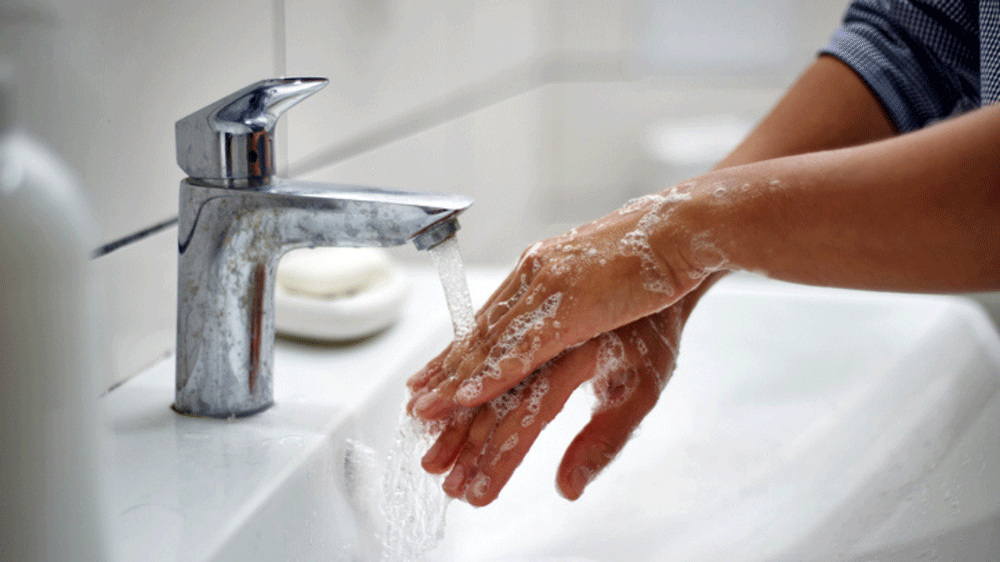
CDC recommends cleaning hands in a specific way to avoid getting sick and spreading germs to others. The recommendations for effective handwashing and use of hand sanitizer were developed based on data from a number of studies. Source: CDC.
For routine hand hygiene, alcohol products are preferred. They are better than soap and water because:
- they kill germs
- they leave skin in better condition
- they are quicker and easier, so are used more frequently
When dealing with diarrhea that may be infectious, use soap and water. Both Clostridium difficile and norovirus cause diarrhea and neither is effectively killed by alcohol-based hand rubs.
Because alcohol products are effective antimicrobial agents, antimicrobial soap is not recommended for routine hand hygiene. Antimicrobial soaps are often more irritating to the skin, are more expensive, and tend to build up in the environment. “Plain” soap removes germs from the hands as well as an antimicrobial product.
2.13 Safe Injection Practices: Protecting Patients
Needles, cannulas, and syringes are sterile, single-use items—any use will result in these items being contaminated. They are contaminated once they are used to enter or connect to any component of a patient’s intravenous infusion set, and under no circumstances should they be reused across different patients or injection steps (CDC, 2024 March 26).
After use, immediately dispose of all needles and syringes as a single unit into a leak-proof, puncture-resistant, closable container located as close as feasible to the point of care (OSHA, 2021).
2.14 Key Safety and Disposal Protocols
The following safety and compliance measures are essential to protect staff and maintain a secure workplace:
- Engineering controls: implement and utilize safer medical devices (such as retractable needles or needleless IV connectors) whenever possible to eliminate or minimize the risk of sharps injuries (OSHA, 2021).
- Immediate disposal: discard contaminated sharps immediately after use. Do not recap, bend, or break needles unless absolutely necessary, and if unavoidable, use a safe one-handed scoop technique).
- Policy review: develop, implement, and routinely review exposure control policies and procedures in accordance with regulatory standards to ensure staff compliance and up-to-date training (OSHA, 2021).
2.15 Medications and Solutions
A pathogen can be indirectly transmitted through contaminated medications and injection equipment. For this reason, medications and solutions must be properly handled whether they are single or multidose. To prevent cross contamination, preparation and disposal of medications should be handled in designated areas away from patient care spaces and soiled equipment (CDC, 2024 March 26).
The reuse of needles or syringes and the misuse of medication vials are serious threats to public health. Healthcare providers should never reuse a needle or syringe, either from one patient to another or to withdraw medicine from a vial. Both the needle and the syringe must be discarded once they have been used. It is not safe to change the needle and reuse the syringe—reuse of needles or syringes to access medication can result in contamination of the medicine with infectious material that can be spread to others when the medicine is used again (Park et al., 2024).
2.15.1 Medication Safety: Single-Use Vials
A single-use vial is a bottle of liquid medication that is given to a patient through a needle and syringe. Single-use vials contain only one dose of medication and should only be used once for one patient, using a clean needle and clean syringe. Use single-dose vials for parenteral medications whenever possible. Do not administer medications from single-use vials or ampoules to multiple patients or combine leftover contents for later use. Because these vials typically lack antimicrobial preservatives, reusing or combining their contents poses a significant risk of microbial contamination and severe infection (CDC, 2024 March 26).
2.15.2 Multi-Dose Vials
A multi-dose vial is a small, sealed container holding more than one dose of medication, vaccine, or fluid. The advantages of multi-dose vials include being able to adjust dosage of medication easily, less waste of left-over medication, cost savings in packaging, and ease of use. For the medication to remain sterile and safe for use between patients, a new sterile needle and syringe must be used every time the vial is entered.
Improper handling or storage of multi-dose vials, or the reuse of syringes and needles, is strongly associated with bacterial contamination and the spread of multidrug-resistant pathogens in clinical environments.
To prevent these sorts of breaches, minimize the use of multi-dose vials whenever possible. If multi-dose vials must be used, always use aseptic technique. Use a new needle or cannula and a new syringe to access the multi-dose vial. Do not keep the vials in the immediate patient treatment area. Do not use bags or bottles of IV solution as a common source of medication or fluid for multiple patients. Use infusion sets (i.e., intravenous bags, tubing, and connectors) for one patient only and dispose appropriately after use.
2.15.3 Aseptic Technique
Aseptic technique involves the handling, preparation, and storage of medications in a manner that prevents microbial contamination. It also applies to the handling of all supplies used for injections and infusions, including syringes, needles, and IV tubing. To avoid contamination, medications should be drawn in a clean medication preparation area.
Any item that may have encountered blood or bodily fluids should be kept separate from medications. Incorrect practices that have resulted in transmission of hepatitis C or hepatitis B virus include using:
- the same syringe to administer medication to more than one patient, even if the needle was changed
- the same medication vial for more than one patient and accessing the vial with a syringe that has already been used to administer medication to a patient
- a common bag of saline or other IV fluid for more than one patient, and accessing the bag with a syringe that has already been used to flush a patient’s catheter
In addition to strictly adhering to aseptic technique, ensure that all staff perform proper hand hygiene before and after gloving, between patients, and whenever hands are soiled. Avoid cross contamination with soiled gloves. Provide adequate soap and water, disposable paper towels, and waterless alcohol-based hand rubs throughout all medical facilities.
2.16 Preventing Disease Transmission
Safe injection practices are designed to prevent disease transmission from patient to patient and healthcare worker to patient. The absence of visible blood or signs of contamination in a used syringe, IV tubing, multi-dose medication vial, or blood glucose monitoring device does not mean the item is free from potentially infectious agents.
Bacteria and other microbes can be present without clouding or other visible evidence of contamination. All used injection supplies and materials are potentially contaminated and should be discarded.
Many cases reported to the CDC in which a bloodborne pathogen was transmitted because of improper injection practices have common themes and findings. Often aseptic technique and Standard Precautions were not carefully followed. In many cases infection control programs were lacking or responsibilities were unclear. Lack of recognition of an IC breach led to prolonged transmission and a growing number of infected patients. In all cases, investigations were time-consuming and costly and required the notification, testing, and counseling or hundreds and sometimes thousands of patients.
To ensure safe injection practices, providers should use aseptic technique throughout all aspects of injection preparation and administration. Medications should be drawn up in a designated “clean” medication area that is not adjacent to areas where potentially contaminated items are placed. In addition:
- Use a new sterile syringe and needle to draw up medications for each patient. Prevent contact between the injection materials and the non-sterile environment.
- Practice proper hand hygiene before handling medications.
- Disinfect the rubber septum of a medication vial with alcohol prior to piercing.
- Discard medication vials upon expiration or any time there are concerns regarding the sterility of the medication.
Never leave a needle or other device inserted into a medication vial septum, IV bag, or bottle for multiple uses. This provides a direct route for microorganisms to enter the vial and contaminate the fluid. Medications should never be administered from the same syringe to more than one patient, even if the needle is changed. Never use the same syringe or needle to administer IV medications to more than one patient, even if the medication is administered into the IV tubing, regardless of the distance from the IV insertion site.
Keep in mind that all the infusion components from the infusate to the patient’s catheter are a single interconnected unit. All the components are directly or indirectly exposed to the patient’s blood and cannot be used for another patient. Syringes and needles that intersect through any port in the IV system also become contaminated and cannot be used for another patient or used to re-enter a nonpatient-specific multi-dose vial. Separation from the patient’s IV by distance, gravity, or positive infusion pressure does not ensure that small amounts of blood are not present in these items.
Dedicate vials of medication to a single patient. Never enter a vial with a syringe or needle that has been used for a patient if the same medication vial might be used for another patient. Medications packaged as single use must never be used for more than one patient. Never combine leftover contents for later use. Medications packaged as multi-use should be assigned to a single patient whenever possible. Never use bags or bottles of IV solution as a common source of supply for more than one patient.
CDC strictly mandates that capillary blood sampling devices be restricted to individual patients to prevent the spread of infectious agents, such as hepatitis B and hepatitis C.
Peripheral capillary blood monitoring devices packaged for single-patient use should never be used on more than one person, even if the lancet is changed. In facilities where assisted monitoring of blood glucose is performed, use single-use, auto-disabling fingerstick devices.
If reusable lancing devices are used, they must be assigned to an individual patient, clearly labeled, and stored in a manner that prevents cross contamination and inadvertent use for the wrong patient. Treat them as personal care items (e.g., toothbrushes or razors).
Never reuse lancets. Dispose of them at the point of use in an approved sharps container. Evaluate and select safer devices to prevent sharps injuries. Choose single-use lancets that permanently retract upon puncture to protect both the patient and the healthcare provider.
Whenever possible, assign blood glucose meters to a specific individual and do not share them. If blood glucose meters must be shared among patients, the device must be thoroughly cleaned and disinfected after every use per the manufacturer's instructions. If the manufacturer does not specify cleaning instructions, the device must not be shared.
To protect healthcare personnel from percutaneous (needlestick) injuries, safer medical devices should be evaluated and integrated whenever possible. The CDC, FDA, and OSHA strongly encourage healthcare professionals to use blunt-tip suture needles as an alternative to standard suture needles when suturing fascia and muscle to decrease the risk of needlestick injury and exposure to bloodborne pathogens.
Suture needle injuries account for over half of all percutaneous injuries in surgical settings. Using blunt-tip needles significantly decreases this risk while maintaining clinical integrity and safety. Under OSHA's Bloodborne Pathogens Standard, employers must evaluate the use of blunt-tip suture needles as an engineering control to protect staff.